
Table of Contents
U.S. online casinos may have been easy to distinguish a few years ago, but today most platforms share the same core features. Fast registration, seamless payments, and polished designs can make nearly any site appear trustworthy. That’s where many players get caught out. True quality isn’t revealed by flashy bonuses or large game libraries, but by how a casino handles withdrawals, promotions, and player support. If you want online play to remain enjoyable, it’s essential to slow down and evaluate a few key factors before making a deposit.
Online casinos in the United States continue to operate under a state-by-state regulatory system, making it essential to understand this structure clearly. A casino that is entirely legal in one state may not be allowed to operate at all in another, even if the branding and software look the same.
When you play in regulated states like Pennsylvania, New Jersey, or Michigan, the casino is overseen by local authorities such as the Pennsylvania Gaming Control Board or the New Jersey Division of Gaming Enforcement. These regulators are responsible for approving games, auditing the casinos, monitoring payments, and, of course, stepping in when operators fail to meet their obligations.
At the same time, some platforms manage to look polished and professional while operating outside regulated markets. These sites usually rely on aggressive marketing and visual credibility rather than transparency. When you lack sufficient information to work with, you are taking on unnecessary risk by placing your money with an operator that is not transparent. Here are the key features to verify to ensure your money and winnings are in safe hands.
Obtaining a gambling license in the U.S. is not easy. Operators are spending substantial amounts of money to obtain and maintain a license in the long term. The possibility of losing their license motivates casinos to follow rules strictly, even when doing so is inconvenient or expensive. Licensed operators, such as Borgata Online Casino, must also regularly prove their financial stability, keep player funds protected, and offer responsible gambling tools that meet regulatory standards.
From a player’s perspective, licensing becomes most important when something goes wrong with a casino. If a withdrawal is delayed, gains are lost, or an account is restricted, customer support tickets and automated replies will not save you. You need a regulator that can review the situation and hold the casino accountable.
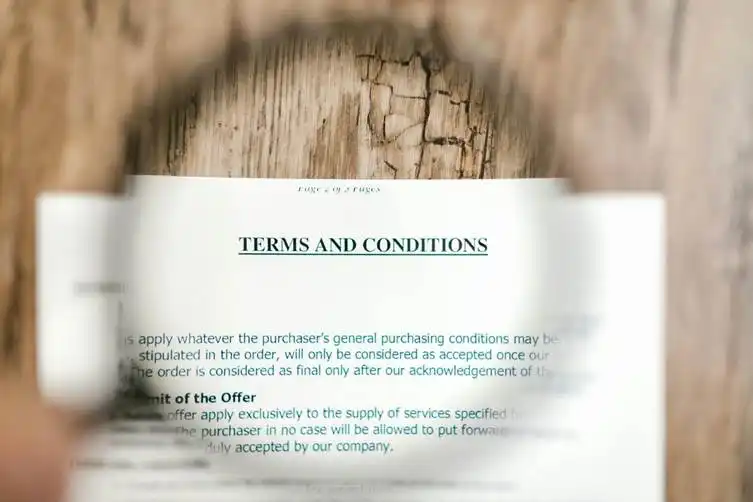
Casino bonuses appear generous, and it is easy to accept them without careful consideration. A large match bonus or free spins package is appealing, but the real value always comes down to the terms attached to it.
Wagering requirements determine how much play is required before withdrawal, and if these are high, they can quickly turn a seemingly generous offer into a long-term commitment. Game contribution rules can further complicate things, especially if you prefer table games, which usually contribute less toward wagering requirements than slots. Some bonuses also include maximum withdrawal limits that cap winnings, regardless of how much you win in a particular gaming session.
The most important thing to consider here is whether the casino bonus is sufficient to extend your gameplay sessions or merely adds stress with numerous restrictions. The best approach to bonuses is to treat them as optional. If the terms feel restrictive or unclear, playing without a bonus causes fewer surprises.
Almost every casino makes depositing easy. When it comes to withdrawal, this is where you learn how the platform actually operates. Trustworthy casinos clearly explain their withdrawal timelines, verification requirements, and limits before you ever request a payout. Identity checks are standard in regulated U.S. markets, particularly for first-time withdrawals, as they are part of maintaining a secure environment.
Problems arise when casinos repeatedly request new documents, delay payouts without explanation, or change conditions after a withdrawal has been submitted. As a player, you need to check how predictable the payout process is, and this builds far more trust than promises of instant withdrawals that rarely deliver.
Online casinos store sensitive information, including personal details and payment data, which makes account security a critical part of their service. This is why licensed operators invest heavily in encryption and security systems; however, as a player, you also play a crucial role in protecting your account from fraudulent activities.
Using unique passwords, avoiding public Wi-Fi when accessing your account, and enabling two-factor authentication if available are simple steps that significantly reduce risk. If a casino seems careless about your identity verification or offers shortcuts, you should be careful.
Regulated casinos in the U.S. offer a wide range of responsible gambling tools, including deposit limits, loss limits, session reminders, cooling-off periods, and self-exclusion options. These tools exist because it is easier to lose track of time and spending when playing online. Setting limits before you start playing helps keep your gambling sessions within the boundaries you originally intended. If additional support is ever needed, independent organizations like the National Council on Problem Gambling provide confidential assistance and resources.

U.S. online casinos offer more choice and convenience than ever in 2026, but that does not mean every casino you see online deserves your trust. When you take time to verify licensing, bonus terms, and withdrawal processes, you eliminate most of the potential risks that you might encounter later. Casino gaming should be entertainment that fits into your life, not something that creates problems for you. When you approach online casinos with the same care you apply to managing your bankroll, you are free to focus on what matters most: enjoying your gaming sessions.