Table of Contents
Nobody could have predicted the car crash that was the 2025 NFL season. The Kansas City Chiefs, the team that had reached each of the last three Super Bowls, winning two of them, shockingly missed the postseason for the first time in the Patrick Mahomes era. Fellow AFC big hitters Baltimore followed them to Cancun rather than to January playoff football, while Josh Allen and his Buffalo Bills were unable to take advantage, capitulating in the divisional round as they fell to the Denver Broncos.
Seahawks Reign Supreme
The Seattle Seahawks were the team that ultimately took full advantage. Mike McDonald’s men were +6600 outsiders in preseason. Still, they managed to ride the wave of their fearsome Dark Side defense to usurp the Los Angeles Rams to win the NFC West, before then going on to choke the life out of Drake Maye’s upstart New England Patriots at Super Bowl LX in Santa Clara.
Two months on from the Big Game and the NFL is already gearing up for its 2026 edition. Free agency has already seen plenty of headlines written, and many more will be in April’s draft. But which underdogs currently look like they are putting the building blocks in place for a postseason run? We have picked out two that online betting sites are currently writing off, but we feel will have a chance of playing playoff football next January.
This popular parlay calculator shows that a bet on these two outsiders reaching the playoffs would pay out at mighty odds of +2800. But who are they? And can they live up to the lofty billing we are about to give them? Let’s take a look.
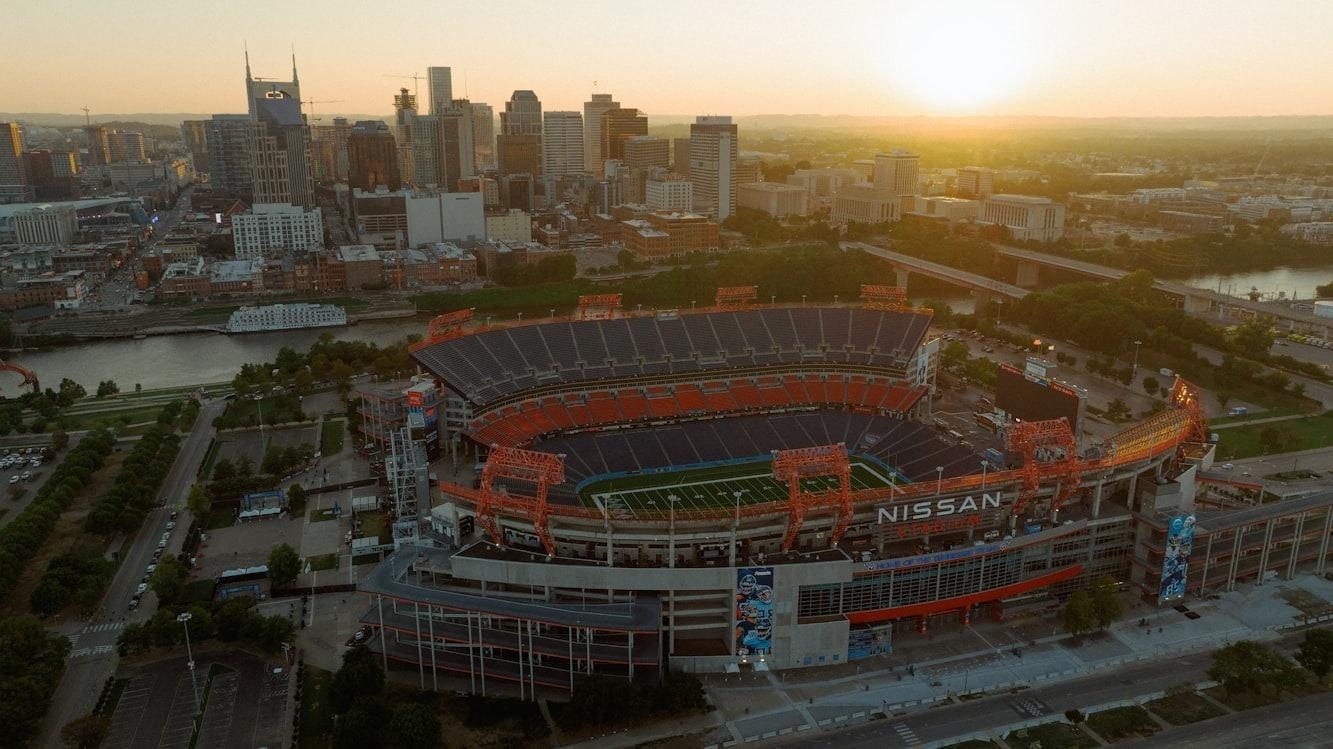
Tennessee Titans
The numbers behind 2025 number one overall pick Cam Ward’s rookie year in Tennessee were brutal. The former Florida Gators standout completed just 59.8% of his passes, posted an 80.2 passer rating across 17 games, and watched his team go 3-14 while the AFC South one of the weakest divisions in the NFL before last term devoured them whole. His Week 1 performance at Denver 12-of-28, 112 yards, a 54.5 rating set a tone that the rest of the season never fully corrected. This wasn’t growing pains; this was a young quarterback drowning in a broken system with nowhere to throw.
How have the Titans responded? By swinging the hammer.
Robert Saleh arrives as head coach, carrying that pinched-face defensive intensity honed across six-plus years in the Big Apple a coach who turned Quinnen Williams into an All-Pro and ran a top-10 defense on a roster full of problems. Brian Daboll slides into offensive coordinator, the architect of Josh Allen’s transformation; suddenly, there’s an actual reason for Ward to be optimistic ahead of his sophomore year.
The free agency haul isn’t shabby either: Alontae Taylor, three years, $58M at corner pure speed to bracket receivers Ward’s defense couldn’t handle; Wan’Dale Robinson locked at $70M over four years, giving the franchise QB a legitimate slot weapon who can live on three-step drops and out routes; John Franklin-Myers for $63M injecting a pass rush presence that was absolutely nonexistent a season ago. Then the No. 4 pick in April, which could land David Bailey’s relentless motor or Arvell Reese’s Ohio State bend.
Here’s the thing about AFC South math: Two years ago, the Titans didn’t need to be good, just less catastrophically broken than their neighbors. Now, however, both the Jaguars and the Texans impressed last year and reached the playoffs, while the Colts would have joined them had they not imploded throughout the second half of the campaign. And still, this rebuilt Titans outfit has us excited. They’re +270 to reach the postseason, and ten wins would likely be enough. That’s a number we can see them hitting.
Las Vegas Raiders
The Pete Carroll experiment lasted exactly one season, which is one more than it probably should have. Thirty seconds into reviewing the tape 30th in scoring, an offensive line that generated negative pass-blocking grades at four positions, three starting quarterbacks in seventeen weeks and the Raiders’ front office was already calculating how fast they could pivot. The answer: immediately.
Klint Kubiak inherits something that looks like cap carnage from a distance, but is actually oxygen: genuine financial flexibility, a generational tight end in Brock Bowers running routes into open grass, Ashton Jeanty as a backfield weapon who defenses couldn’t contain in college, and a Shanahan-tree offensive system perfectly engineered to hide offensive line imperfections (of which there are many).
Tyler Linderbaum now the NFL’s highest-paid center stabilizes the pivot point of that line and will give Fernando Mendoza who is surely set to take over at quarterback with the number one overall pick of the draft a trusted voice at the line of scrimmage. Jalen Nailor at $35M provides the slot pop a zone-beater system demands; Eric Stokes re-signs at corner for $30M, preventing the secondary from becoming a wasteland while Rob Leonard’s 3-4 shift takes shape.
But everything hinges on April 24th. Mendoza Heisman Trophy winner, 41 touchdowns, 72% completion rate, the face of Indiana’s fairytale national championship run is the Raiders’ most important decision in two decades. Kubiak’s system is specifically engineered for a processor quarterback who can work the play-action game and find Bowers crossing the formation. Mendoza checks every box on that scouting report.
Is Mendoza the savior? Let’s be honest: it’s 50/50. But Shanahan-tree offenses have a documented track record of accelerating young QBs Brock Purdy, Trey Lance’s flashes, even Jimmy G looked competent for stretches. At +650 odds, you’re not buying a contender. You’re buying a team one year into an overhaul with a franchise QB and enough supporting talent to steal a Wild Card if the AFC West fractures slightly. Last season it did, making the lottery ticket all the more worthwhile.